
The Work Order Is the Race
AI agents can answer fast, but HVAC shops win when field speech becomes structured work orders, service reports, and searchable memory before typing begins.
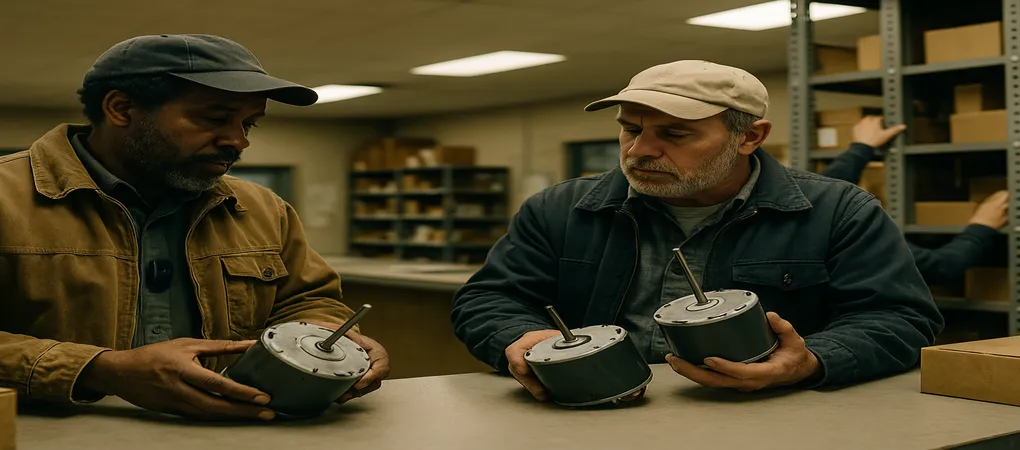
How long does it take your shop to turn a technician’s spoken diagnosis into the next action?
Runable’s new funding round is another signal that small-business AI agents are moving from novelty to operating layer. The common belief is simple: the agent that answers fastest wins.
I think that is incomplete. The contrarian thesis: in skilled trades, the winning agent is not the one that speaks first, but the one that turns field speech into structured work before the other shop finishes typing.
The race is after the first sentence
Take an anonymized HVAC contractor. A customer calls about weak cooling upstairs. Telalive captures what they said in their own words: the room, the timing, the prior repair, the odd sound before the system shut down.
That is useful. But the race is not finished when the appointment is booked.
- Proof 1: Harvard Business Review reported that companies contacting an inbound inquiry within one hour were nearly seven times as likely to have a meaningful conversation with a decision maker as those waiting two hours.
- Proof 2: The U.S. Bureau of Labor Statistics projects HVACR mechanic and installer employment to grow 9% from 2023 to 2033, with about 42,500 openings each year. Experienced attention will stay expensive.
- Proof 3: AI agents can reply in seconds, but they still need clean facts. The facts in HVAC are spoken at the panel, on the roof, beside the customer, and during the drive to the next job.
Now follow the same job. The tech finds a failed capacitor, notes corrosion on the disconnect, explains that the upstairs complaint is probably airflow plus equipment age, and promises the customer a filter size recommendation.
If that becomes three rushed words in a work order, the shop pays again tomorrow. Dispatcher asks. Junior tech guesses. Senior tech reopens the mental file while standing in front of another unit.
Pick the last return customer.
Without checking the system, what did your tech say about the unit last visit? Now check the work order. Listen to the gap.
Voice-to-work-order changes the economics
Hearit.ai HA-MIC01 is the hands-free field ear for this moment. With consent-first, work-only capture, the technician speaks normally while working, and the spoken work becomes a service report, work order draft, parts note, and searchable Frontline Work Memory.
This is not a replacement for ServiceTitan, Housecall Pro, Jobber, or Dynamics. Those systems run workflow. They still depend on humans compressing field reality into boxes after a long day.
The asset that compounds is not the form. It is the shop’s memory of what actually happened.
That is the economic shift. Labor depreciates when its context disappears. Field memory compounds when every diagnosis, customer detail, equipment clue, and senior-tech pattern becomes searchable next visit.
Runable points to where AI agents are going for small business: action. HVAC shows what action requires first: real input from the place where the work happens.
Speed-to-lead gets you to the starting line. Voice-to-work-order decides whether your shop can keep running after the first reply.
From AI phone agents to custom hardware — we’ve got you covered.